
Day 31 of the conflict between the USA/Israel and Iran, there is still no clear end in sight. Beyond the immediate human toll, the economic impact is becoming increasingly difficult to ignore.
Since the war began, we’ve seen a sharp surge in oil prices, reaching levels not seen in nearly four years. A barrel of crude oil now stands at a staggering $116 — a figure that unfortunately is expected to climb further. The consequences of this rise are not isolated; they are being felt across the global economy.
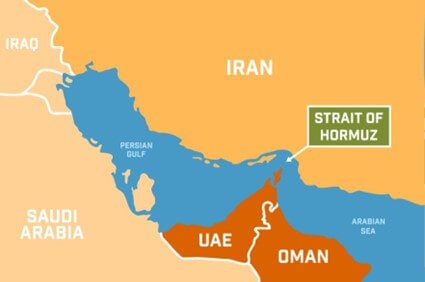
At the heart of the issue lies a critical waterway, just 104 miles long, yet responsible for the daily transit of vast volumes of oil. Its strategic importance cannot be overstated, and any disruption sends shockwaves through international markets.
The ripple effects are already evident in global shipping and supply chains. Companies have been forced to reroute vessels, leading to delays, logistical complications, and increased costs. These disruptions are likely to filter down to businesses and consumers alike.
For traders, this demands preparation and caution. Rising prices may persist for the foreseeable days and weeks, driven by ongoing uncertainty and constrained supply routes. Volatility is likely to remain a key feature of the market, requiring careful risk management and close attention to geopolitical developments.
There are, however, early signs of cautious optimism. Reports suggest that negotiations to end the conflict are progressing. On both a human and economic level, a resolution cannot come soon enough.