
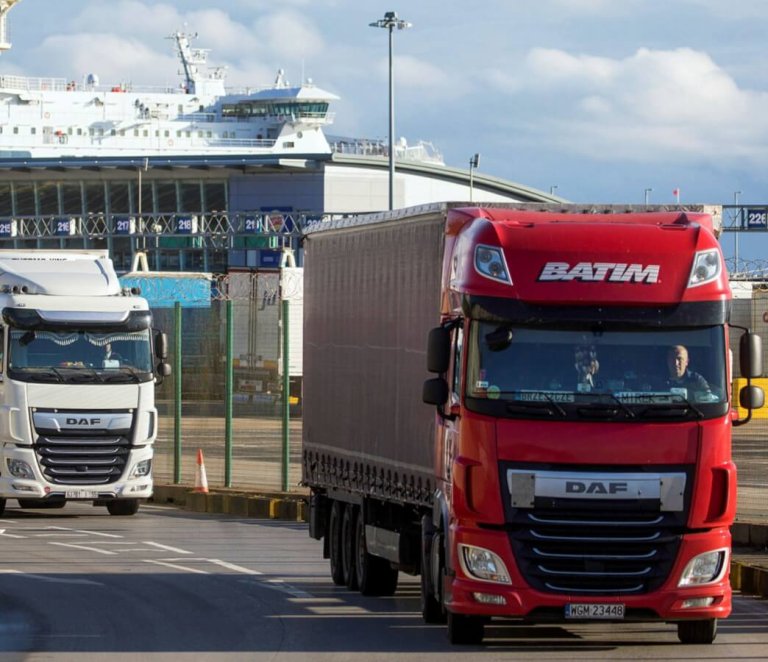
Over the past 6 weeks, fuel surcharges (FSC) have steadily increased. Reaching 31% increase in haulage costs in week commencing 06/04, before falling down to 29% in week commencing 13/04. With the average increase hovering around about 17%. These costs have a huge implication on international trade with countries more exposed to the rises such as Germany and the Netherlands increasing their transport costs higher than their peers.
Sea and Air Freight
Increased costs are not reserved to road freight, with sea and air similarly affected. We’re seeing increases of up to 1000USD per 40HC container from the likes of India and China while our partners in the air freight industry reporting roughly 15-20% increase on year-on-year costs.
Impact
Eventually, these increases will trickle down to the consumer. Leading to higher prices in the retail industry. There is a sort of banding effect where it took a number of weeks to see increases in the market after the US and Israel began their attacks on Iran, and so it can be assumed it will take time after the bombing stops for prices to drop.
Agents and freight forwarders such as Kinnes Shipping cannot usually shield traders from these increases in the market, as charges are passed on at cost. Some agents may have a built in buffer where they reap the takings when times are good and reduce their margin when times are bad (like now) however here at Kinnes, we don’t believe in building buffers, hiding costs or inflating charges. That freight forwarding business model belongs in the dark ages, where it comes from.
What you can do to reduce the impact of these costs.
Here at Kinnes Shipping, we break down charges in itemised invoicing, with full third party invoices available on request.
While we may not be your agent (or maybe we are), we believe all freight forwarders should follow our lead and do this for their customers. If your current freight forwarder/agent isn’t giving you an itemised invoice with a breakdown of all charges then I encourage you to demand it from them so you can scrutinise each charge and get the best value for your company in these trying times.
While you can’t really reduce the fuel surcharge, you can try to claw some cash back from other places.
With an itemised invoice from your freight forwarder, you can easily:
- Compare pricing against competitors.
- You may find you’re paying too much for documentation
- or your haulage is generally too high
- or that the agent is charging more than you are willing to pay for their own services.
- Check you are not being charged for demurrage/detention without your prior knowledge and understanding.
- Check the charges match your freight forwarders price list.
- Check your freight forwarder hasn’t accidentially added an incorrect/unrelated fee
- Similarly, make sure there are no unknown fees/charges on your bill.
If you’re importing, also check your customs declaration documents are correct:
-
- Check the A00 (Duty liability) and B00 (VAT liability) in the bottom right of the document.
- Check your agent is claiming preferential rates of duty, where available.
- If you’re paying duty, check if you are eligble to use duty suspension to reduce your duty bill.